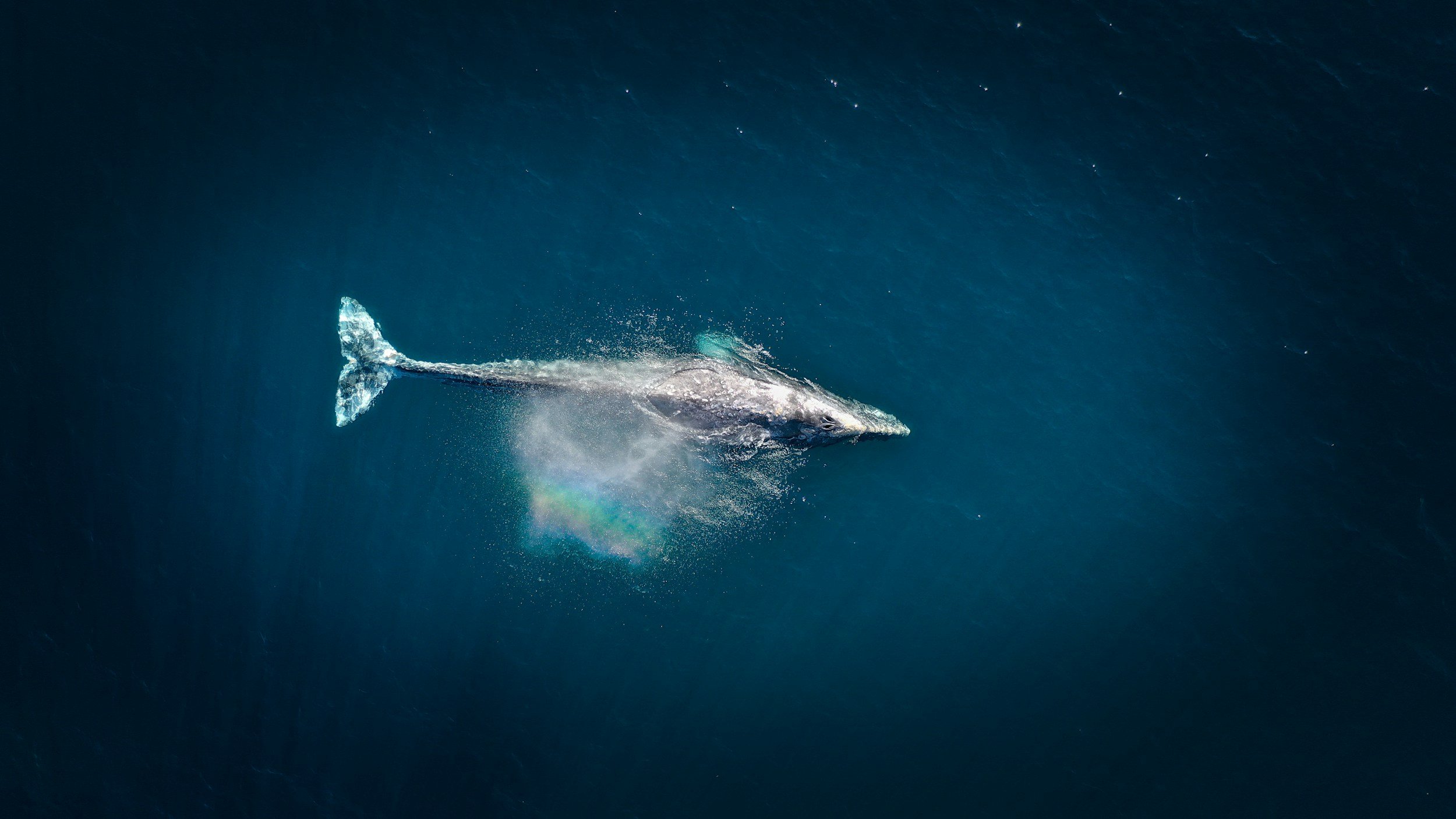
Majesty in Motion
Whales and the Future of Our Seas
A World Ocean Day 2025 campaign by Evoca Foundation with support from IFAW

The Stories We’re Telling
Dive into the mystery, beauty, and urgency of ocean conservation with our 2025 World Ocean Day campaign: Majesty in Motion: Whales and the Future of Our Seas.
With support from the International Fund for Animal Welfare (IFAW), this campaign highlights the vital role of whales in maintaining the health of our planet and the actions we must take to protect them.
At the heart of Majesty in Motion is a new short film by Evoca Foundation, created using incredible footage from Rachel Moore and delivered by director Yassa Khan.
Together, we shine a light on the wonder of whales, the threats they face, and the grassroots efforts safeguarding their future.
Credits
Production: Evoca Pictures
Footage & Story: Rachel Moore
Director: Yassa Khan
Editor: Robin Mellor
Composer: Alyssa Moxley
Script & Visual Campaign: Shanley Mitchell
Voiceover: Rachel Moore
Meet Rachel Moore and Sweet Girl

Raised by the sea, Rachel Moore’s love for the ocean began early earning her first dive certification at 15 and later becoming the youngest National Park Service-certified Blue Card Diver. Her work with Channel Islands National Park and an underwater TV series was the start of a lifelong commitment to the deep.
She left city life behind to sail the world, capturing life below the surface as an award-winning photographer and ocean advocate. Now an ambassador for Sony, GoPro, PADI, and Only One, Rachel uses her lens to move hearts and shift perspectives.
While swimming in French Polynesia, she had a brief but powerful encounter with a juvenile humpback known as Sweet Girl. The young whale swam right up to Rachel, locking eyes just inches away. “The way she looked at me left a mark I’ll never forget.”
Just days later, Sweet Girl was killed by a ship strike.
Rachel’s footage from that encounter forms the heart of Majesty in Motion Evoca Foundation’s World Ocean Day campaign film. We are deeply grateful to Rachel for sharing this intimate moment in honour of a life taken too soon, and for reminding us what we stand to lose.

Honouring Wonder
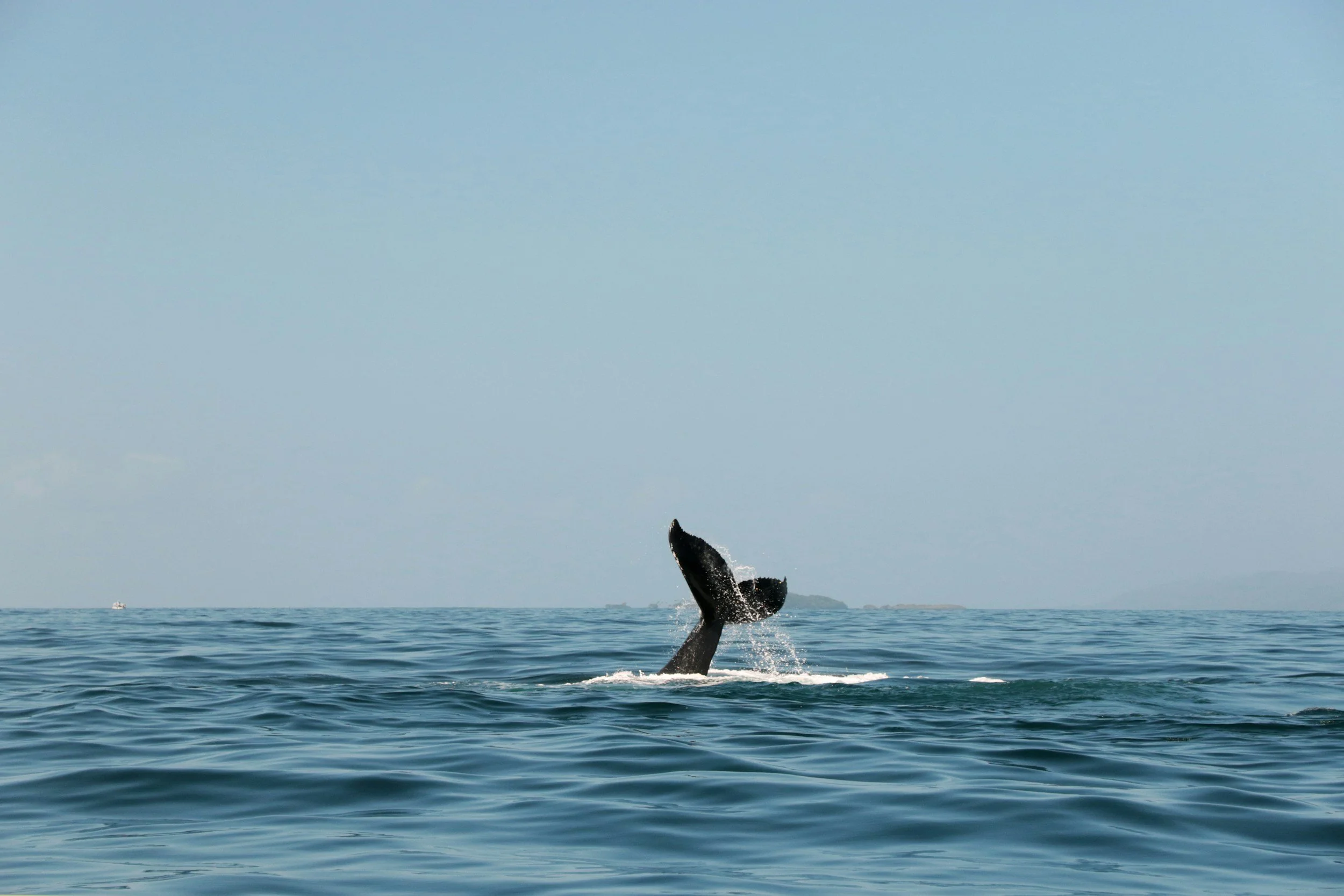
Much like human fingerprints or a zebra’s stripes, the underside of a humpback whale’s tail is unique to each individual. The distinctive patterns of scars, pigmentation and the shape of the flukes act as a natural ID tag, allowing researchers to identify and track humpback whales over time.
-
This method of identification is essential for marine biologists studying whale populations, behaviours, and migration patterns, offering valuable insight into the lives of these ocean giants. (Source: All Sea Charters).
-
Entanglement. Whales and other vulnerable marine animals can easily become entangled in marine debris and fishing gear, such as ropes that connect crab pots and other instruments to buoys on the surface, which can lead to an agonising death from suffocation, starvation, or drowning. (Source: IFAW)
-
In the US, IFAW’s Marine Mammal Rescue team uses cutting-edge technology to help free whales from entanglements. IFAW has a custom-built remote drug delivery device to administer sedatives, making it easier for partner organisations to cut entangled whales free.
They also work with fishers to advance innovative, on-demand fishing gear that does not depend on fixed vertical buoy ropes. This technology reduces entanglements while preserving the heritage and livelihoods of fishing communities.
-
Take a stand for the Atlantic right whale add your name and help protect one of the ocean’s most endangered giants.
Want to do more for whales and ocean life? Discover 15 simple ways you can help, starting today.
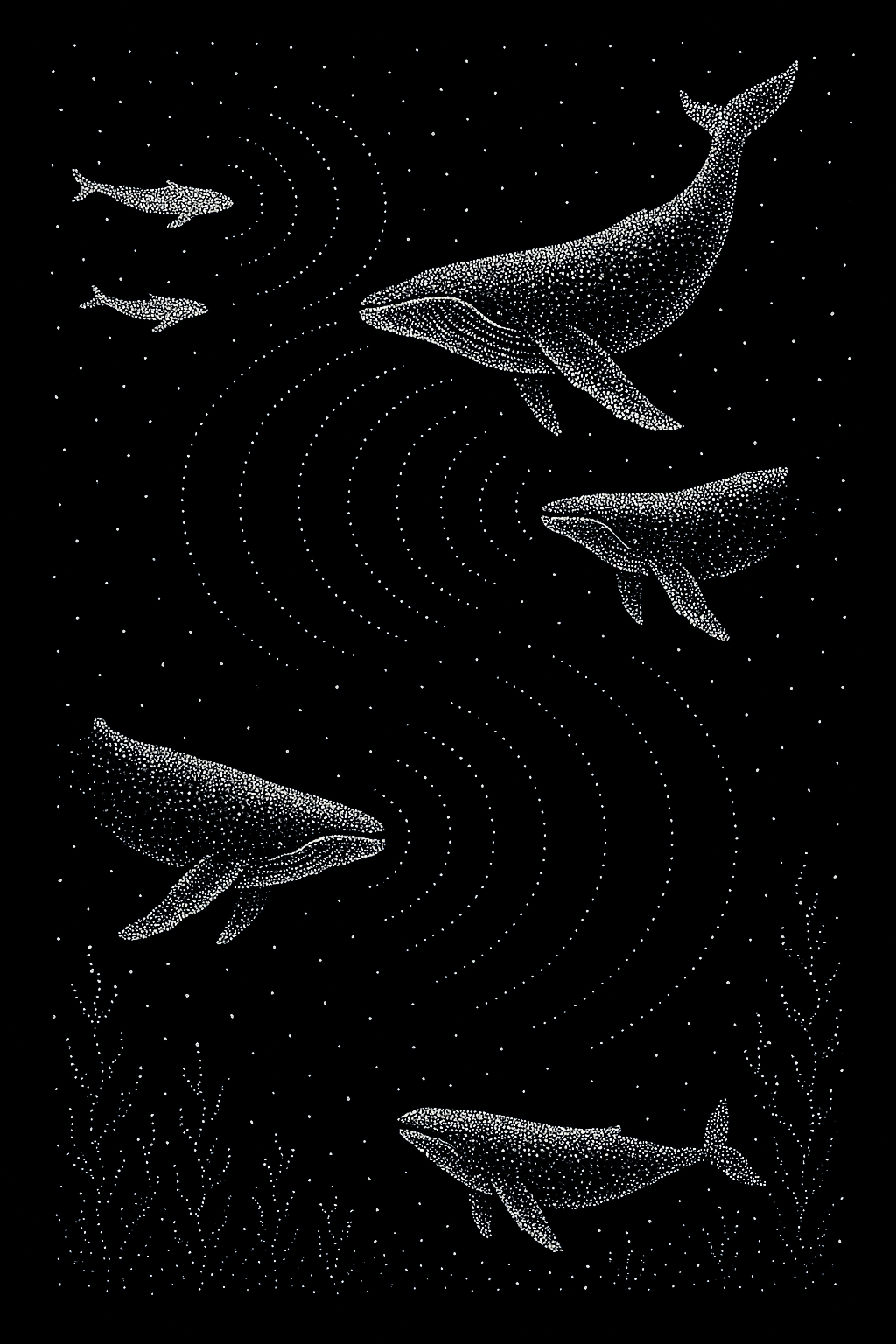
Songs Beneath
the Surface
Whales, dolphins, and porpoises (collectively known as ‘cetaceans’) use a rich array of vocalisations clicks, whistles, and songs to communicate. Each sound serves a unique function, from locating prey to socialising with others.
Remarkably, whales that live in pods develop their own distinct “dialects,” helping them recognise family members and distinguish outsiders. (Source: WWF Australia)
-
Sperm whales hold the record as the loudest animals on Earth, producing calls that reach up to 230 decibels comparable to the roar of a jet engine. Researchers believe that some whale songs can travel as far as 8,000 kilometers, allowing communication across vast distances.
These songs are not innate; whales must learn them from one another, and their structure is remarkably complex. Male humpback whales, for example, can sing continuously for up to 30 minutes. (Source: WWF Australia)
-
Ocean noise pollution. Sound is essential to cetaceans’ survival but ocean noise from human activities disrupts the ability of these animals to communicate with one another, locate mates and prey, avoid predators, and also causes disturbance and increases stress levels.
-
Turn down the volume. IFAW works at both the national and international level to reduce underwater noise pollution, especially from commercial shipping. They are engaging international shipping organisations to lower ship speeds to reduce underwater noise, while reducing the risk of harmful collisions between ships and whales.
Through IFAW’s Blue Speeds campaign, IFAW lobbies governments and European institutions to adjust and develop crucial policy measures to reduce ship speeds in EU waters as a solution to help decrease underwater noise pollution.
-
Help turn down the volume in our oceans: Sign IFAW’s Blue Speeds petition and call for slower, safer seas for whales.
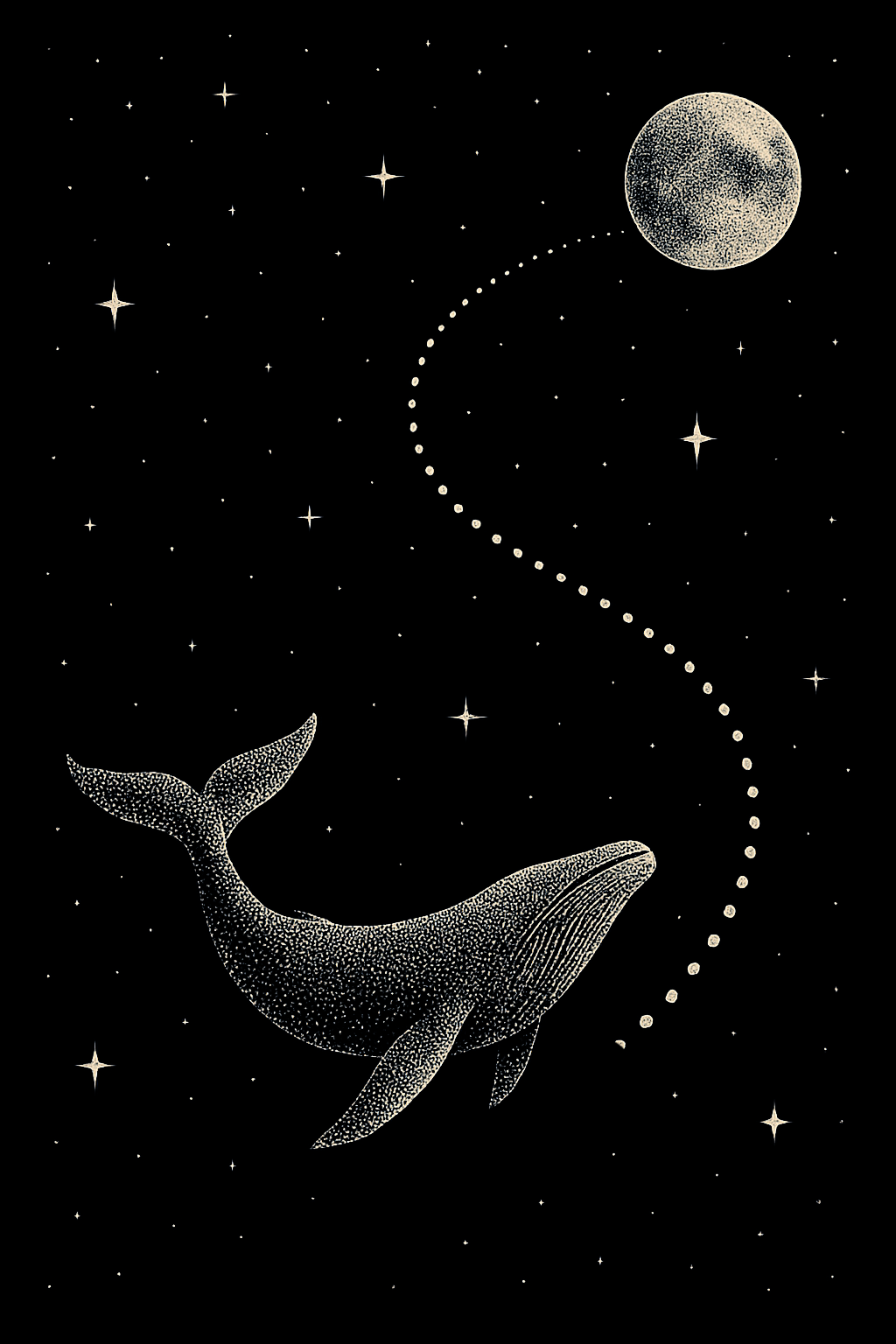
Highways of the Deep
Whales travel along superhighways: some grey whales might cover distances in their lifetime equivalent to traveling to the moon and back.
(Source: The Reef World Foundation)
-
Whale superhighways also known as blue corridors are vital migration routes that connect the different ocean habitats whales depend on to feed, mate, give birth, nurse their young, and socialise. These routes are essential for their survival, linking critical areas across vast stretches of ocean.
-
Vessel strikes. Unfortunately, these migratory routes often intersect with areas of intense human activity, putting whale populations at significant risk. Thousands of whales of all species are hit by maritime vessels annually, usually resulting in severe injury or death. (Source: IFAW )
-
Prevent a collision course. Steering international shipping lanes around whale habitat is the most effective solution to reduce the risk of this threat, and where this isn’t possible, slowing vessel speeds is the best way to reduce the risk of collision and to give whales a fighting chance of surviving a strike if it does occur.
IFAW works with governments, researchers, shipping industries, recreational boaters, and partner organisations to support existing vessel speed limits in critical habitats and keep whales safe from vessel strikes around the world.
These efforts are supported by tools such as IFAW’s Whale Alert app, a mobile app that allows the general public and trusted observers to submit their whale sightings, helping to inform management areas and trigger alerts to mariners to be cautious of whales present in the area.
-
Love the ocean? Help protect whales by reporting sightings with the free Whale Alert app every sighting makes a difference.
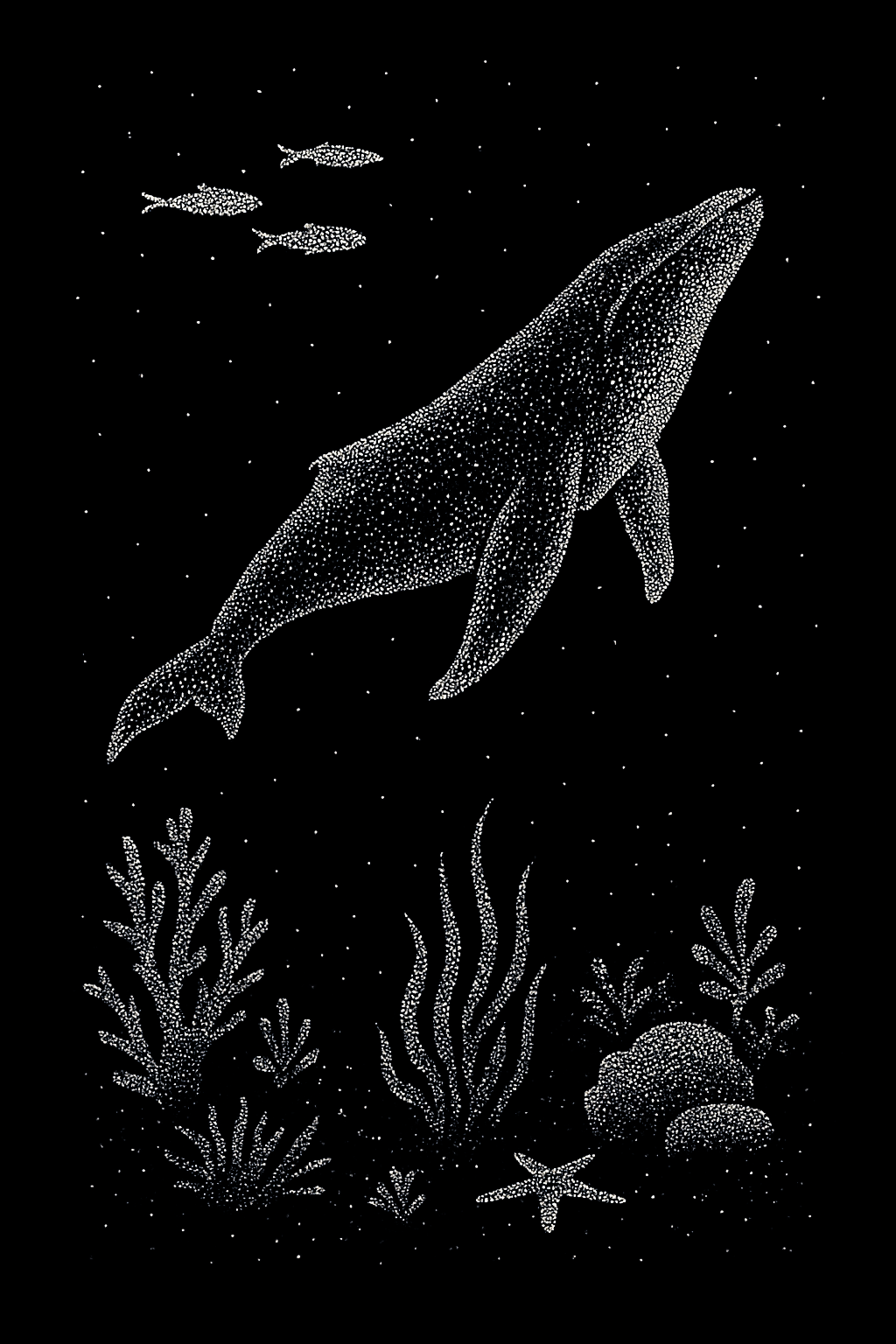
Blue Heart,
Green Future
Every second breath we take comes from the ocean because more than 50% of the air we breathe is produced by the ocean, largely by tiny marine algae called phytoplankton, that are fertilised by whale feces. (Source: IFAW )
-
The ocean stores about 50 times more carbon than the atmosphere, much of it in the form of what’s known as blue carbon, held by marine ecosystems. By storing carbon in this way, the ocean helps reduce CO₂ in the atmosphere and slows global warming. In other words, the ocean and its inhabitants play a vital role in fighting climate change.
Whales, as a keystone species, help maintain healthy marine ecosystems. Their movement through the water cycles nutrients, and their waste supports the growth of phytoplankton tiny organisms that absorb greenhouse gases. Together, phytoplankton capture an estimated 37 billion tonnes of CO₂ each year, or about 40 percent of global emissions. Whales and sharks also store large amounts of carbon in their bodies, which is sequestered for centuries when they die and sink to the ocean floor.
Other marine species play key roles too. Sea turtles help sustain coral reefs and transport nutrients from the sea to beaches and coastal dunes. Sharks contribute by keeping grazing animals like dugongs and sea turtles in check, which protects seagrass meadows from overgrazing. These meadows are important carbon sinks, helping preserve the ocean’s blue carbon stores.
(Source: IFAW)
-
The ocean and its inhabitants are vital in slowing climate change, but climate change also threatens whale populations by disrupting their food sources, habitats, and overall health.
Rising ocean temperatures reduce phytoplankton, which zooplankton rely on. Zooplankton are a key food source for whales like the critically endangered North Atlantic right whale. Melting polar ice further disrupts zooplankton habitats, making food even scarcer.
Toothed whales, such as orcas, are affected as shifting ocean conditions impact fish like salmon. Changes in flooding, stream flow, and water temperature make it harder for whales to find food, increasing stress and draining their energy.
In the Arctic and Antarctic, melting sea ice creates unpredictable conditions for belugas. They risk becoming trapped under shifting ice or cut off from prey, sometimes with fatal consequences.
Warmer waters also worsen pollution, raising the concentration of plastics and chemicals. This increases the risk of whales ingesting harmful contaminants, which can damage their health.
(Source: IFAW)
-
One way we can protect the ocean and its ability to capture carbon is by conserving the high seas the large swaths of ocean that lie outside national jurisdiction and cover half of our planet’s surface. Once in force, the UN High Seas Treaty will enable the creation of Marine Protected Areas (MPAs) in these parts of the ocean. This represents the largest habitat on Earth, home to millions of species, and one of our greatest allies against climate change.
An MPA is a section of the ocean where a government has placed limits on human activity. Many MPAs allow people to use the area in ways that do not damage the environment, while others do not allow human presence at all. Today there are over 5,000 MPAs around the world but only 1% of the high seas are currently protected.
The UN High Seas Treaty is an international treaty adopted in 2023 under the auspices of the United Nations Convention on the Law of the Sea (UNCLOS). The new treaty is significant because for the first time ever, it creates a mechanism for establishing MPAs on the high seas. This charts a course to protect 30% of the ocean by 2030 – a target agreed upon as part of the Kunming Montreal Global Biodiversity Framework.
IFAW is part of the High Seas Alliance (HSA), which is rallying for at least 60 countries to have ratified the High Seas Treaty by the UN Ocean Conference in June this year in Nice, France, to achieve this ambitious target. So far, 31 countries have ratified the treaty, but 60 countries are needed for the treaty to enter into force. (Source: IFAW)
-
Protect the ocean that protects us discover how you can take action today and help secure a healthy, climate-resilient future for all.
Fifteen Ways to Protect the Ocean Marine Animals
International Fund for Animal Welfare (IFAW)
Evoca Foundation extends heartfelt thanks to the International Fund for Animal Welfare (IFAW) for their incredible support in the development of Majesty in Motion and for sharing their world-leading marine conservation expertise.
IFAW is a global non-profit helping animals and people thrive together. They are experts and everyday people, working across seas, oceans, and in more than 40 countries around the world. They rescue, rehabilitate, and release animals, and they restore and protect natural habitats. The problems they face are urgent and complex. To solve them, they pair fresh thinking with bold action. IFAW partners with local communities, governments, NGOs, and businesses to pioneer new and innovative ways to help all species flourish.
Learn more at ifaw.org.